.webp)

The shoulder is the most mobile joint in the human body - and because of that freedom, it’s also one of the easiest to
irritate. Whether you’re an athlete, a desk worker, or someone who simply wants to keep their body moving well,
understanding how your shoulder works is the first step toward keeping it strong, pain-free, and functional.
In this series, I will be talking about the joints that make up the shoulder complex, the muscles that affect and move the
shoulder, how proper mechanics lead to better function, and some general exercises that I recommend to correct the
most common problems that lead to shoulder pain and/or dysfunction.
I want to start with the basics of the shoulder complex. Below, I’ll walk through the four major joints of the shoulder.
Then we will talk about the major muscles of the shoulder complex, followed up with a few pointers on posture and
simple ways to keep the shoulder healthy.
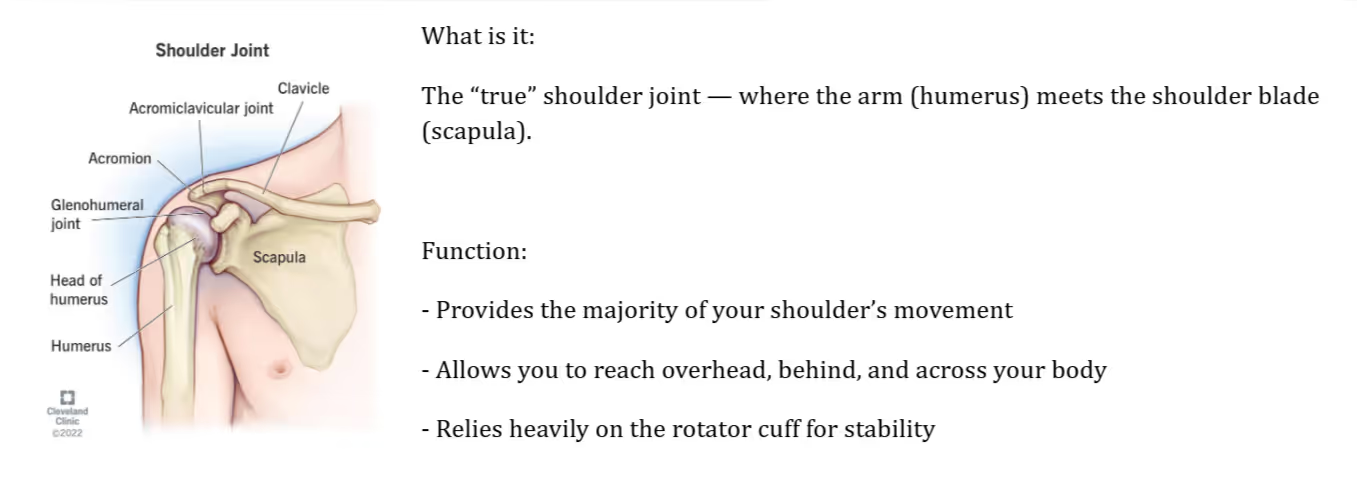
1. Glenohumeral (GH) Joint — The Ball-and-Socket
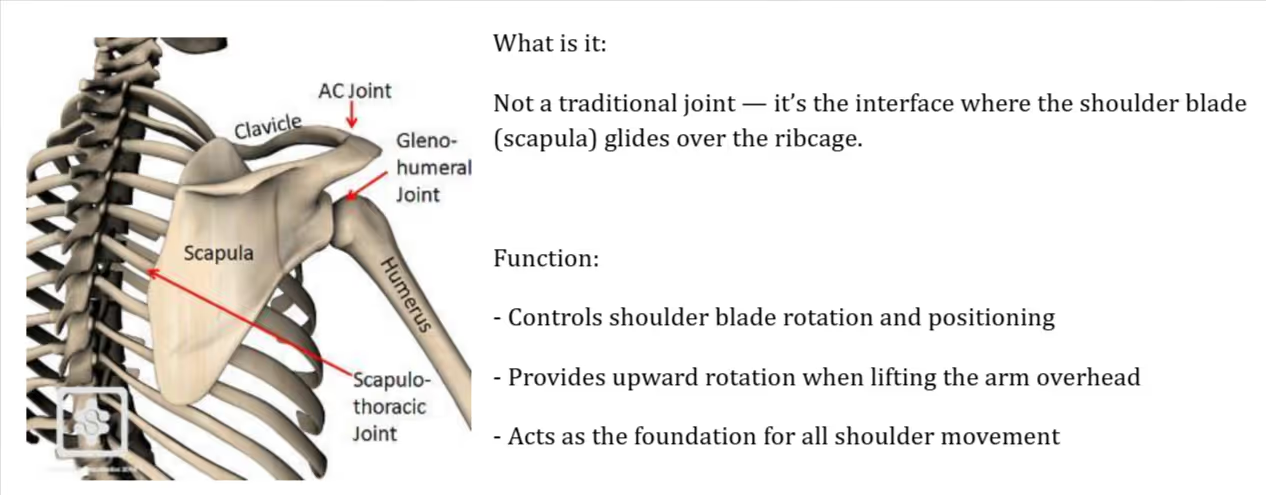
2. Scapulothoracic Joint — The Shoulder Blade Sliding on the Ribcage
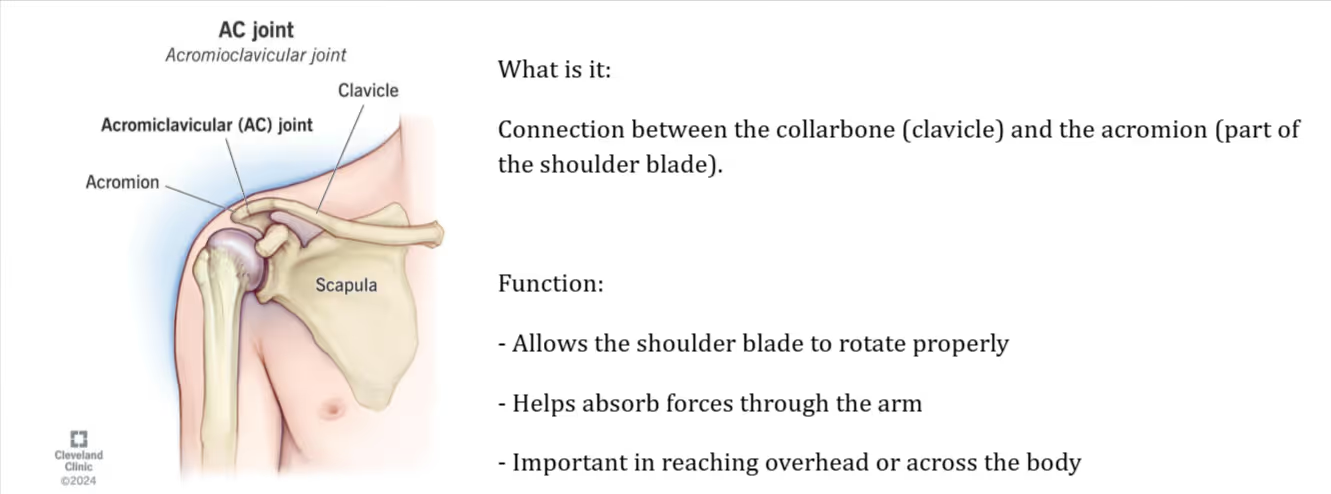
3. Acromioclavicular (AC) Joint — The Top of the Shoulder
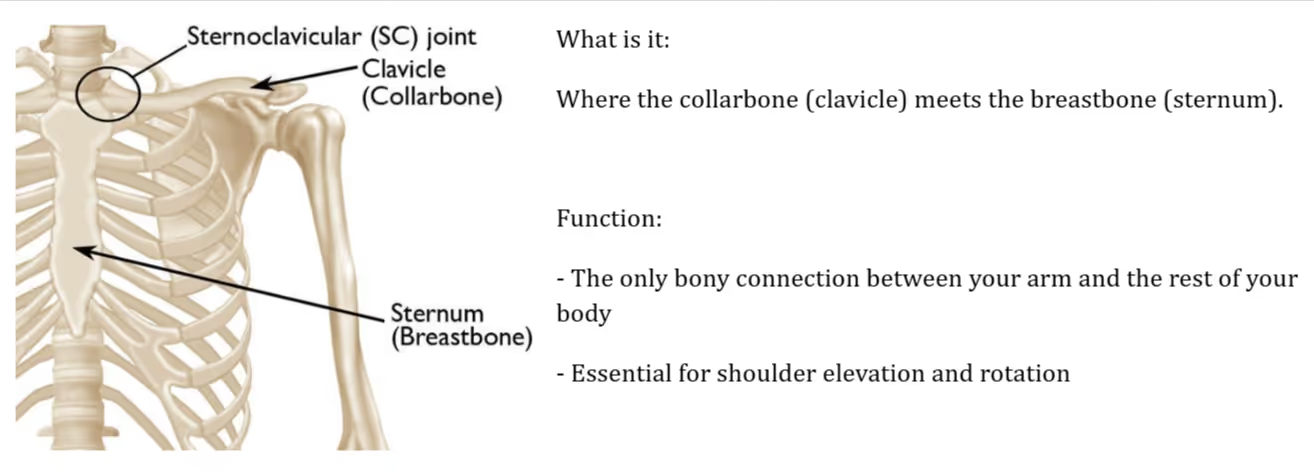
4. Sternoclavicular (SC) Joint — The Only Real Link to the Skeleton
The Main Muscles of the Shoulder Girdle: What They Do & Why They Matter
The shoulder girdle is built for mobility but also must provide stability. It relies on a coordinated network of muscles around the shoulder blade, collarbone, and upper arm. When these muscles work together smoothly, the shoulder feels strong and pain-free. When one becomes weak or overworked, the entire system can break down.
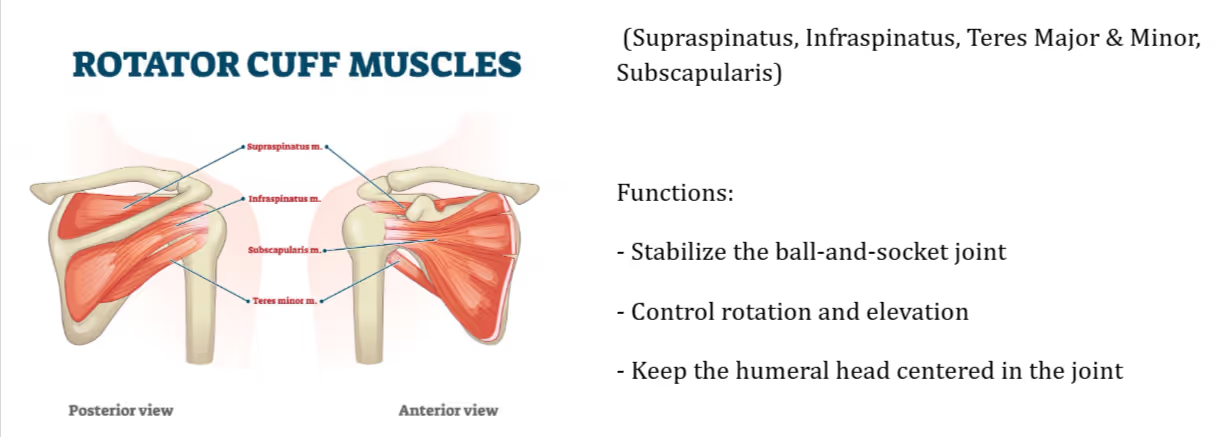
1. Rotator Cuff Muscles
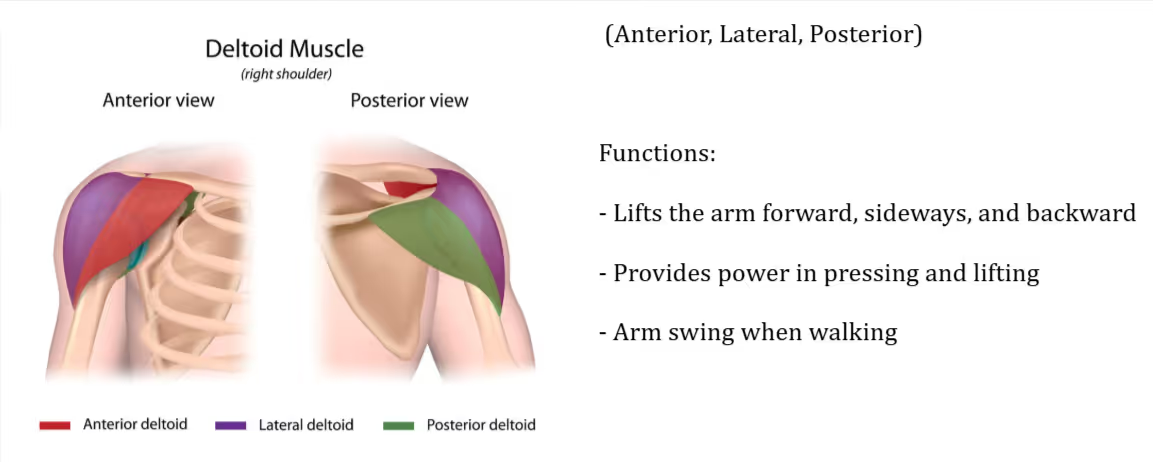
2. Deltoid Muscle
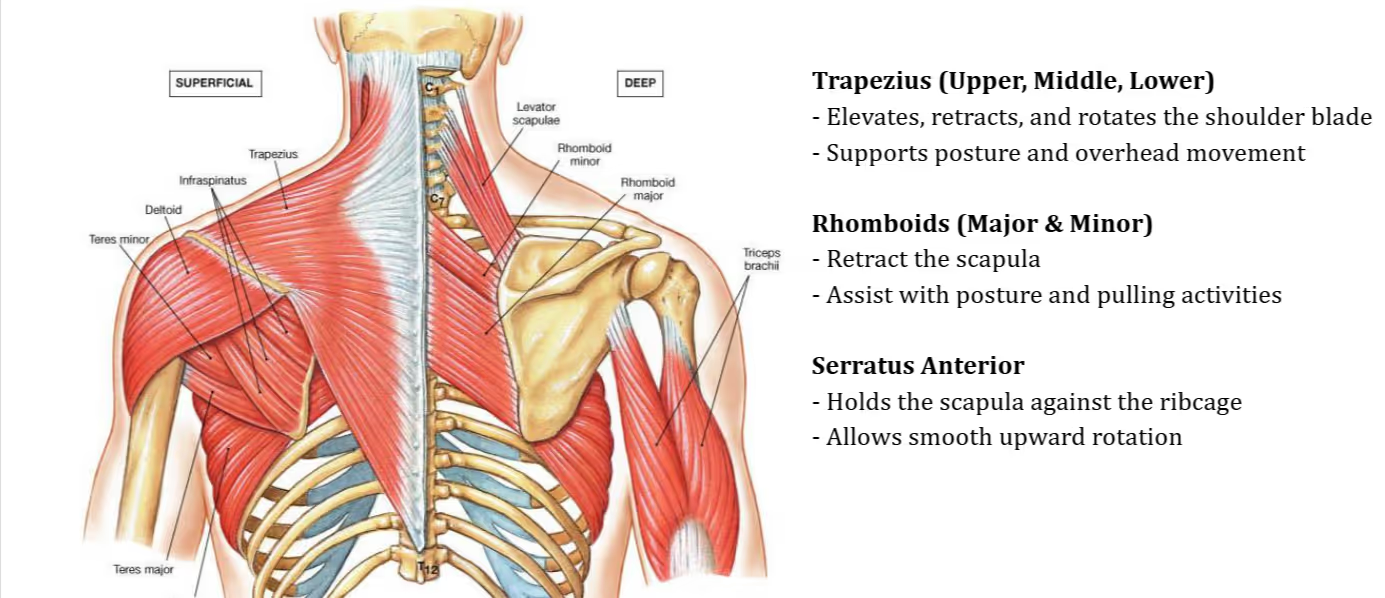
3. Scapular Stabilizers
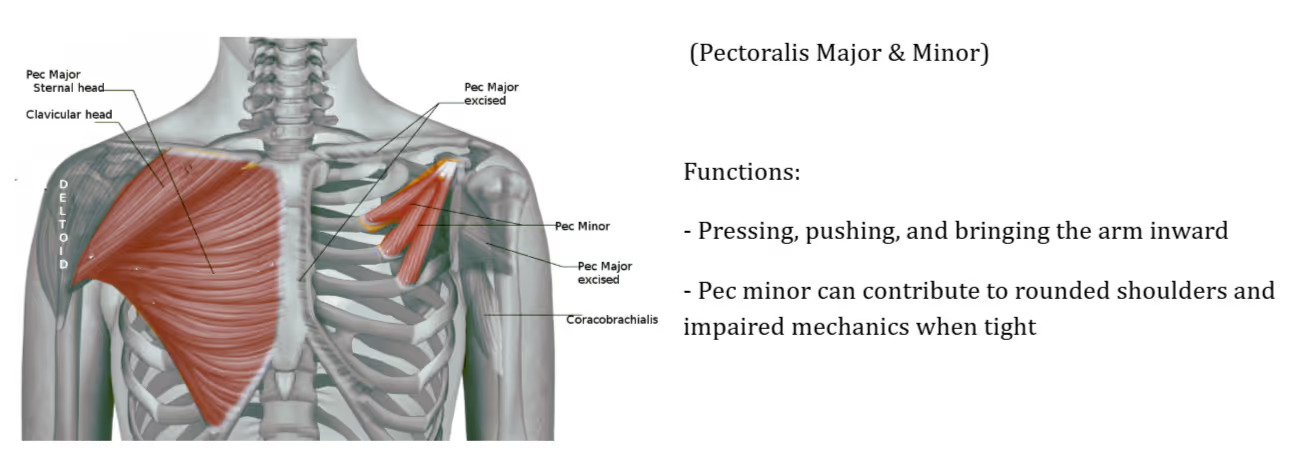
4. Pectoral Muscles
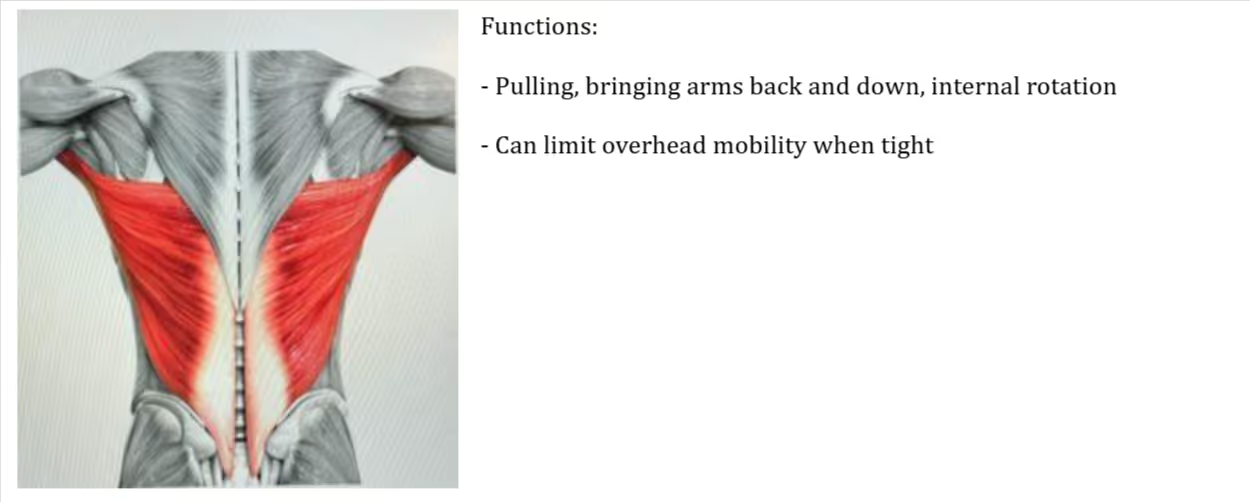
5. Latissimus Dorsi ("Lats")
Common Imbalances Leading to Pain
- Overactive upper traps
- Weak middle & lower traps, and serratus anterior
- Tight pec minor
- Weak posterior rotator cuff and posterior deltoid
- Dominant internal rotators overpowering external rotators
Posture: The Hidden Driver of Shoulder Mechanics
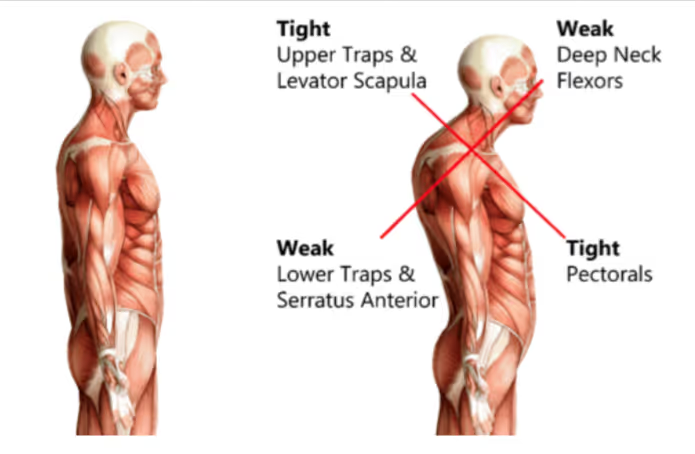
How Poor Posture Affects the Shoulder:
- The shoulder blade tilts and rotates incorrectly
- The rotator cuff must work harder to move the humerus
- Tightness develops in the chest, neck, and front of the shoulder
- Overhead motion becomes restricted due to impaired mechanics
- Poor posture doesn’t just “look bad” - it changes your biomechanics.
Physical Therapy Solutions for your Shoulder
At Medella, we take a holistic approach to treating your shoulder. Your physical therapist will create a personalized plan of care to:
- Relieve muscle tension and tightness with manual soft tissue mobilization and dry needing.
- Improve range of motion with joint mobilizations and manual stretching.
- Teach you specific stretches to improve joint and muscle mobility and flexibility.
- Strengthen weak muscles with exercises that are tailored to your abilities and resources.
- Retrain posture to keep your head, neck, and shoulders aligned properly.
Our goal is to help you get back to work and recreation without having to rely on pain relievers and other medications to get you through the day.
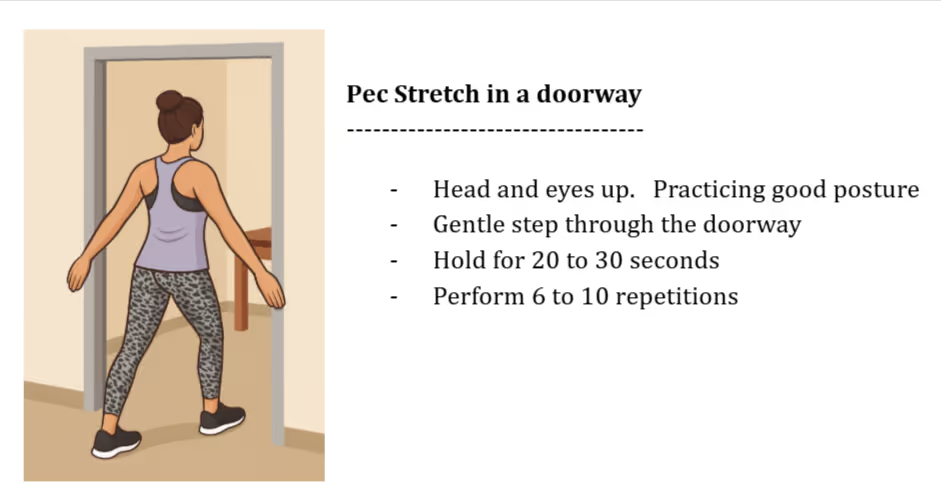
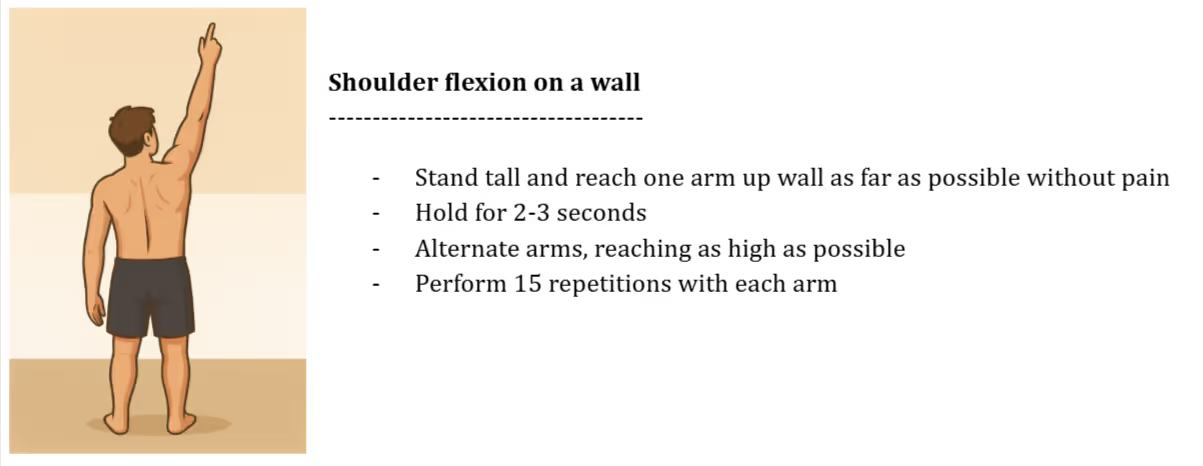
A Few of My Favorite Exercises for Mobility and Strength
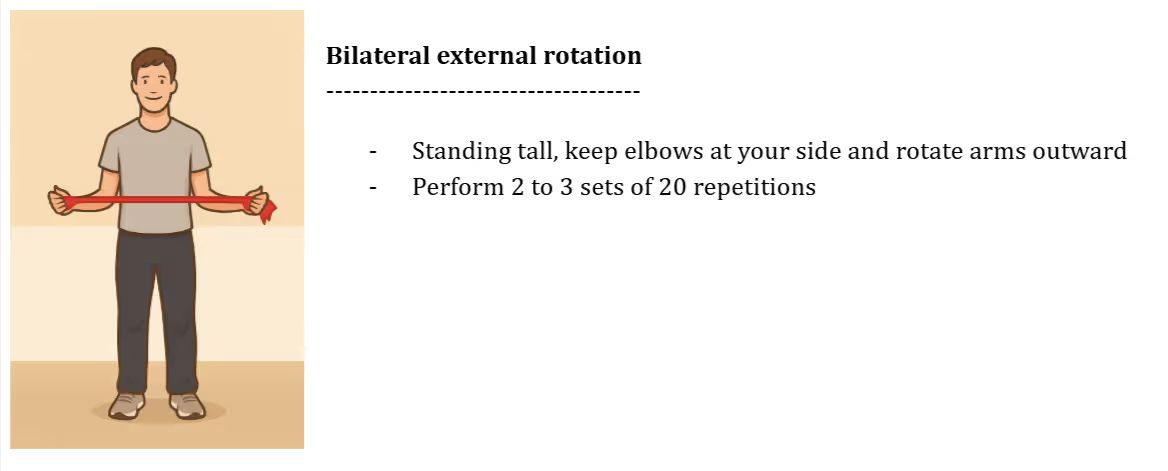
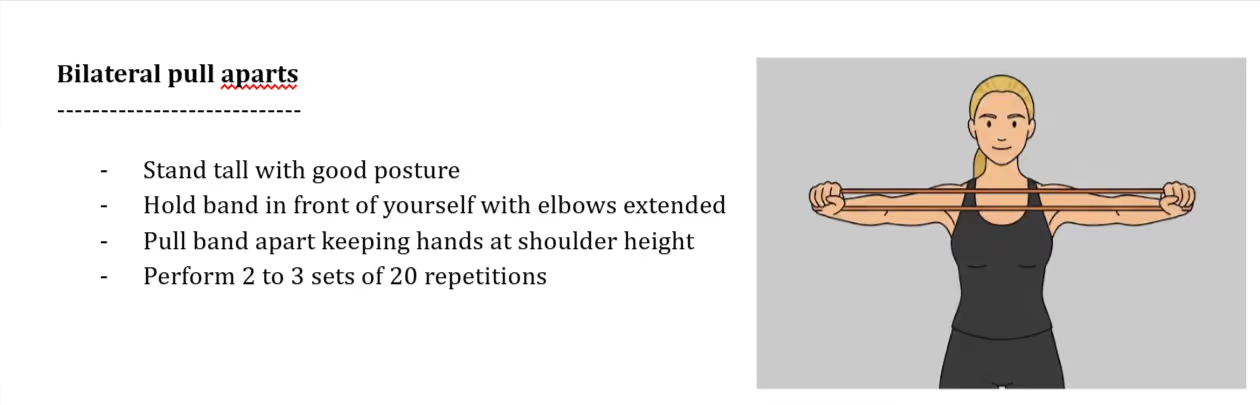
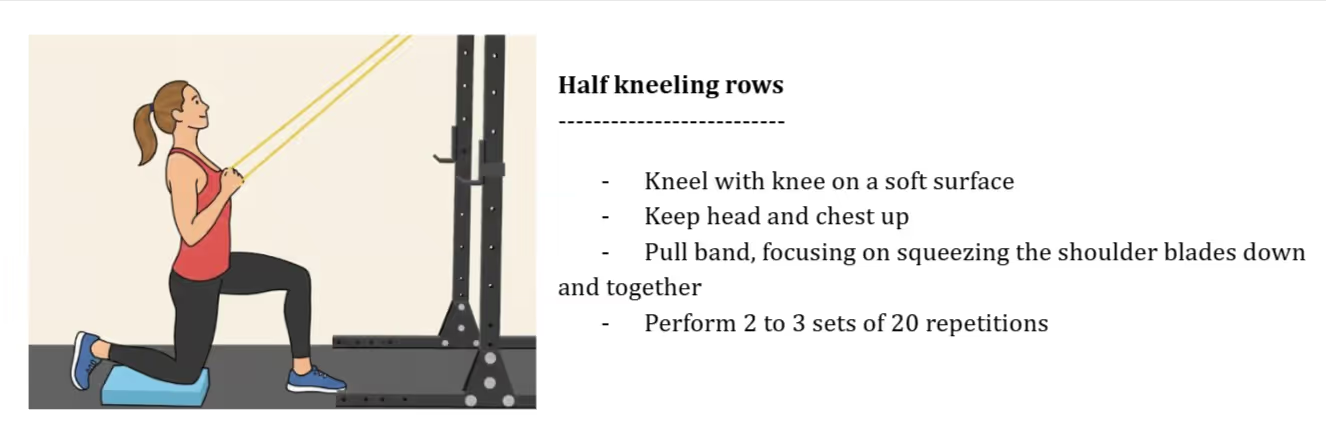
Simple Daily Habits to Improve Shoulder Health
1. Keep the ribcage stacked. Practice good posture throughout your daily activities.
2. Practice shoulder blade control. Shoulder circles and scapula squeezes.
3. Open the chest. Pec stretch, proper breathing patterns, thoracic mobility exercises.
4. Strengthen the rotator cuff.
5. Strengthen your back muscles and scapula stabilizers.
6. Break up sitting periods with short standing periods, walks, or standing stretches.
Final Thoughts
Your shoulder is a beautifully engineered system — but its function depends heavily on posture, muscle balance, and coordinated movement between four unique joints. It is one of the most commonly injured or irritated joints in the body and can be frustrating to deal with. It is a very complex joint, but with proper exercise and maintenance, you can keep it healthy and functioning properly.
At Medella, we focus on helping every person individually. We will create a plan that is unique to you, and with goals that are important to you. Each treatment session is tailored to your needs, and may include:
- Manual Therapy to relive muscle tension and improve joint mobility
- Dry needling to decrease muscle tension and trigger points
- Therapeutic exercises to improve muscle strength and mobility
- Functional movement training to improve postural control and coordination
.avif)